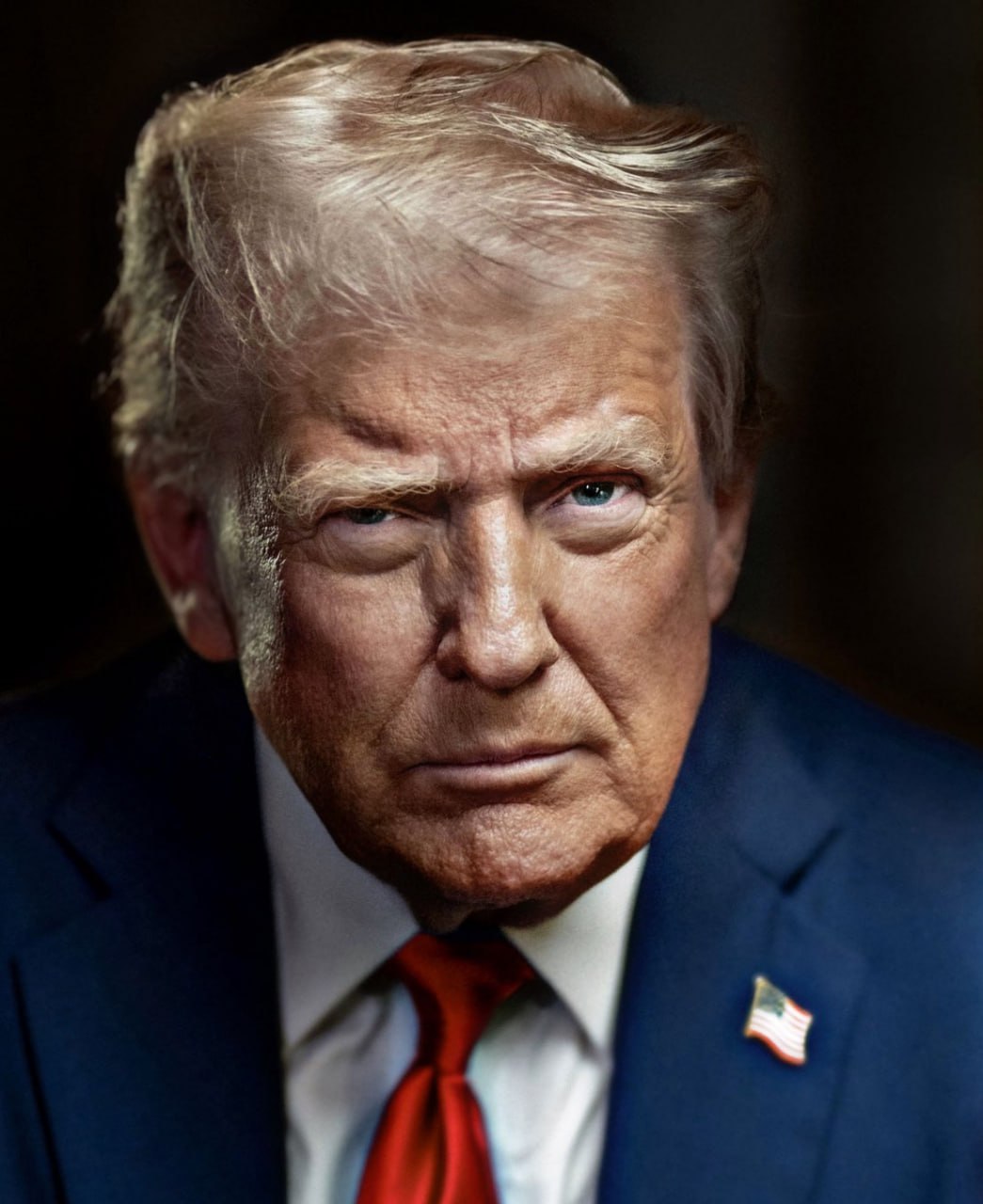
In a significant setback to President Donald Trump’s trade agenda, the United States Supreme Court ruled today that the president’s unilateral imposition of broad tariffs on imports from nearly every country violated federal law.
The Court, in a 6-3 decision, held that the International Emergency Economic Powers Act (IEEPA) – a 1977 statute designed to address national emergencies involving foreign threats – does not grant the president authority to impose tariffs.
Chief Justice John Roberts authored the majority opinion, emphasizing that the Constitution reserves the power to lay tariffs and duties primarily to Congress.”The president asserts the extraordinary power to unilaterally impose tariffs of unlimited amount, duration, and scope,” Roberts wrote. “Those words cannot bear such weight,” referring to IEEPA’s language allowing the president to “regulate … importation” during declared emergencies.
The ruling stems from challenges to Trump’s executive orders declaring national emergencies over issues such as drug trafficking from Canada, Mexico, and China, as well as persistent trade deficits. These declarations led to tariffs including 25% duties on most imports from Canada and Mexico, 10% on Chinese goods, and reciprocal tariffs applied globally.The decision upholds lower court findings and invalidates the tariffs enacted under IEEPA authority.
However, it does not affect tariffs imposed under other statutes, such as those related to national security.Financial implications are substantial: U.S. Customs and Border Protection has collected billions – with estimates ranging from $130 billion to over $200 billion – since the tariffs took effect. The Court did not dictate remedies like refunds to importers (who often passed costs to consumers and businesses), leaving such matters to lower courts, potentially the U.S. Court of International Trade, or future legislative action.Dissenting were Justices Clarence Thomas, Samuel Alito, and Brett Kavanaugh.
The ruling marks a rare major defeat for the Trump administration at the conservative-leaning Supreme Court and reaffirms congressional primacy over trade and taxation policy. The White House has signaled it may pursue alternative legal avenues to reinstate similar measures.President Trump, who has defended the tariffs as essential for protecting American jobs, national security, and addressing unfair trade practices, called the decision a disappointment but vowed to continue fighting for “fair trade.
“This development could ease some economic pressures on U.S. consumers and businesses amid ongoing global trade tensions, though uncertainties remain regarding potential refunds, supply chain adjustments, and future policy shifts.AfricHome will continue to monitor reactions from global markets, African trading partners affected by U.S. tariffs, and any follow-up actions from the administration or Congress.