
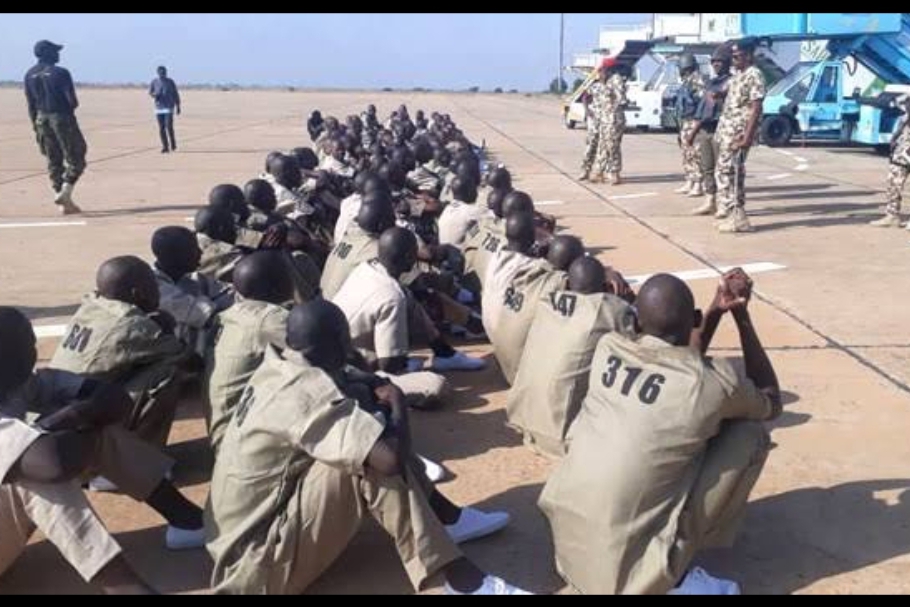
No fewer than 117 individuals from Borno State, previously associated with Boko Haram and now described as repentant terrorists, have successfully completed Nigeria’s Disarmament, Rehabilitation, and Reintegration (DRR) programme under Operation Safe Corridor (OPSC).
The milestone was announced during a high-level stakeholders’ meeting organised by the Defence Headquarters at the Nigerian Army Resource Centre in Abuja on Thursday, February 19, 2026. Brig. Gen. Y. Ali, Coordinator of Operation Safe Corridor, revealed that the 117 participants—referred to as “clients”—completed their DRR training at the Mallam Sidi Camp in Borno State.A statement from the Director of Defence Information, Maj. Gen. Samaila Uba, highlighted the event as part of efforts to finalise arrangements for transferring the rehabilitated individuals to national and state authorities for supervised community reintegration.
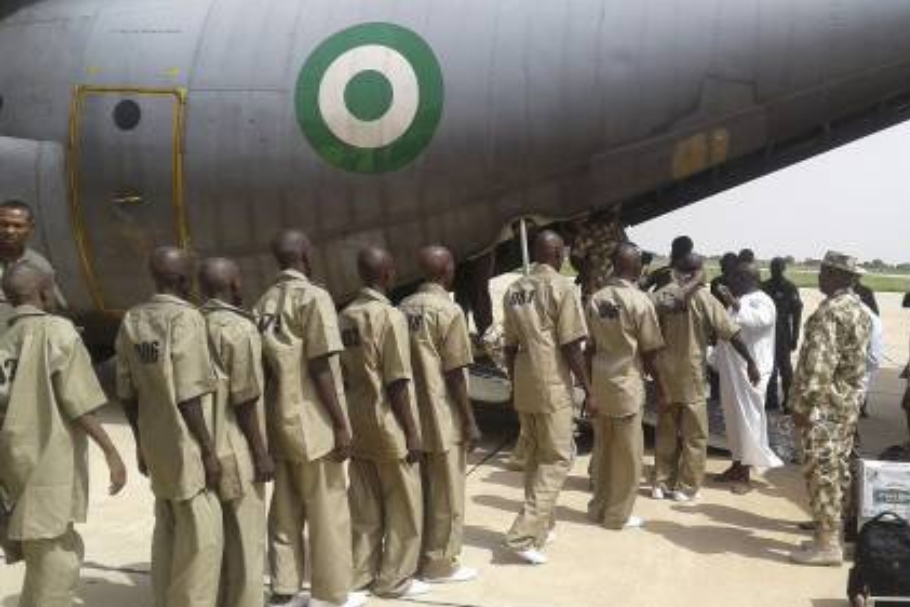
The programme includes de-radicalisation, vocational skills training, psychological counselling, and preparations to support their safe return to society.Operation Safe Corridor, established in 2016, targets low-risk former insurgents who voluntarily surrender or are captured, excluding high-value targets or hardened ideologues. Authorities emphasise that the initiative reduces terrorist ranks through non-kinetic approaches, encouraging defections while military operations continue against remaining Boko Haram and ISWAP fighters.
This latest graduation reflects the programme’s expansion beyond the North East, including a DRR facility in the North West established last year. Discussions at the meeting also addressed requests, such as from Benue State, for a similar camp in the North Central region. Engagements with neighbouring countries like Burkina Faso, Chad, Niger, and Cameroon were noted to coordinate reintegration of cross-border elements.
The Tinubu administration has reported significant progress in counter-insurgency efforts, with thousands of fighters surrendering in recent years amid intensified military pressure. The DRR process aims to prevent the “recycling of violence” by providing pathways out of extremism, though it includes ongoing monitoring by federal, state, and local authorities to ensure compliance and community safety.
The development has drawn varied responses. Proponents argue it is a pragmatic strategy to weaken insurgent groups and promote long-term stability in affected regions. Critics, including some online commentators and community voices, have expressed concerns about risks to victims’ families, potential recidivism, and the perceived leniency toward those linked to past atrocities in the prolonged North East conflict.
AfricHome will track further details on the reintegration process, any post-graduation monitoring outcomes, community reactions in Borno State and other areas, and the overall effectiveness of Operation Safe Corridor in contributing to Nigeria’s broader security strategy amid persistent threats from terrorist organisations.


